Buy klage.eu ?
We are moving the project
klage.eu .
Are you interested in purchasing the domain
klage.eu ?
domain@kv-gmbh.de · 0541-91531010
Buy klage.eu ?
How do you transform an object clause or a subject clause into a dependent clause (subordinate clause)?
To transform an object clause or a subject clause into a dependent clause, you can add a subordinating conjunction at the beginning of the clause. For example, changing "I know that he is coming" (object clause) to "I know when he is coming" (dependent clause). Another way is to remove the subject or object pronoun and change the verb form to make it dependent on the main clause. For instance, changing "She believes she can win" (subject clause) to "She believes she can win" (dependent clause). **
Is an infinitive clause a subordinate clause?
Yes, an infinitive clause is a type of subordinate clause. It functions as a single unit within a sentence and is dependent on the main clause for its meaning. Infinitive clauses typically begin with the word "to" followed by a verb, and they can serve various purposes such as expressing purpose, result, or obligation. **

Similar search terms for Clause
Top-Angebote
Products related to Clause:
-
No Letter/Legal File Tote BoxPlastic Storage Bin Tote Organizing File Box with Durable and Secure Latching Lid is a perfect filing storage organizer that can fit all your legal and letter size items safely with the anti-break, durable polypropylene material.109,18 $*Shipping: 0,00 $Secure redirect to the provider
-
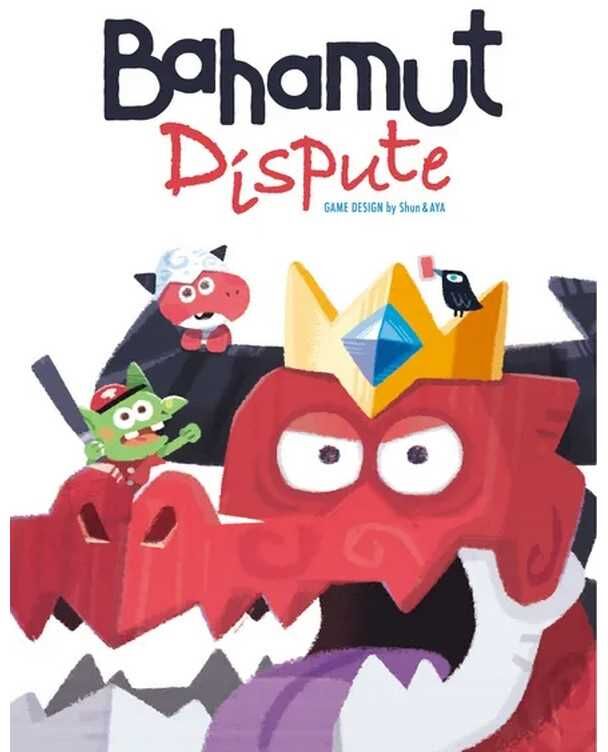
Matagot SARL Bahamut Dispute Compact 16-Card Wizard Duel Game - Multi - NewEnter a tense two-player wizard duel in Bahamut Dispute, a compact card game that requires timing, tactics, and magical counters. Each player aims to summon Baleful Bahamut, the legendary dragon, whose arrival sets up an immediate path to victory on the following turn. Players draw from a small deck of spells and actions, then play up to two cards during their turn. Effects may recover cards from the discard pile, increase the number of cards that can be played, or introduce creatures like the goblin. However, every powerful play can be countered by a Necro-nope, which nullifies a card and sends it to the discard pile. Success depends on managing these limited counters and combining effects at the right moment. Players must pressure their opponent into wasting their answers, protect their own plans, and choose carefully when to attempt the final summoning.11,97 £*Shipping: 3,95 £Secure redirect to the provider
-
Georgia Boot Tough Beyond Dispute Chelsea EH WP - Mens 11 Brown Boot Medium*Chelsea boot from Georgia Boot. Wateproof and high-abrasion full-grain Tec-Tuff leather upper. Padded collar and tongue. Elastic gore stretch panels for easy on and off. Mesh lining. Comfort core memory foam insole. Fiberglass shank. Flexible...165,00 $*Shipping: 0,00 $Secure redirect to the provider
-
No Letter/Legal File Tote BoxPlastic Storage Bin Tote Organizing File Box with Durable and Secure Latching Lid is a perfect filing storage organizer that can fit all your legal and letter size items safely with the anti-break, durable polypropylene material.118,82 $*Shipping: 0,00 $Secure redirect to the provider



-
What are main clause-subordinate clause constructions?
Main clause-subordinate clause constructions are sentences that consist of a main clause and one or more subordinate clauses. The main clause is a complete sentence that can stand alone, while the subordinate clause depends on the main clause for its meaning and cannot stand alone. Subordinate clauses often begin with subordinating conjunctions such as "because," "although," "if," or "when," and they provide additional information or context to the main clause. These constructions allow for more complex and nuanced sentence structures, and they are commonly used in both spoken and written language. **
-
Could you please formulate the legal clause like?
The legal clause should be formulated clearly and concisely, using precise language to outline the rights and responsibilities of each party involved. It should include specific terms and conditions, as well as any potential consequences for non-compliance. The clause should also be written in a way that is easily understandable for all parties involved, and should be in compliance with relevant laws and regulations. Additionally, it should be reviewed by legal professionals to ensure accuracy and enforceability. **
-
Can an adverbial clause also be a subject clause or an object clause?
No, an adverbial clause cannot be a subject clause or an object clause. An adverbial clause functions as an adverb to modify a verb, adjective, or adverb in a sentence. Subject clauses and object clauses, on the other hand, serve as the subject or object of the main clause, respectively. Each type of clause has a specific grammatical function within a sentence. **
-
Is the main clause and subordinate clause correct?
To determine if the main clause and subordinate clause are correct, you need to ensure that they are grammatically sound and that they make sense when combined. The main clause should be able to stand alone as a complete sentence, while the subordinate clause provides additional information but cannot stand alone. Checking for subject-verb agreement and proper punctuation between the two clauses can help confirm their correctness. **


How do I recognize a relative clause, a conjunctional clause, and an interrogative clause?
A relative clause typically starts with a relative pronoun (such as who, whom, whose, which, or that) and provides more information about a noun in the main clause. A conjunctional clause, on the other hand, is introduced by a conjunction (such as and, but, or because) and connects two independent clauses. An interrogative clause is a type of clause that asks a question and is typically introduced by an interrogative pronoun (such as who, what, when, where, why, or how) or an interrogative adverb (such as how, when, or where). **
How can I recognize a relative clause, a conjunctional clause, and an interrogative clause?
A relative clause is a type of dependent clause that typically starts with a relative pronoun (such as who, whom, whose, which, or that) and provides additional information about a noun in the main clause. A conjunctional clause, on the other hand, is a dependent clause that functions as an adverb, adjective, or noun in a sentence and is connected to the main clause by a conjunction (such as because, although, if, when, etc.). An interrogative clause is a type of clause that asks a question and typically begins with a question word (such as who, what, where, when, why, or how) or with a helping verb followed by the subject. **
Top-Angebote
Products related to Clause:
-
"""Angela Vineyards""" """Angela Vineyards Abbott Claim Pinot Noir 2015 Red Wine - Oregon""""""The Abbott Claim Pinot Noir has silky tannins, flavors of ripe red currant and raspberry, cherry cola, sassafrass. Rich mushroom and white truffle aromas and an overlay of sassafrass and sweet cedar or pipe tobacco."""59,99 $*Shipping: 0,00 $Secure redirect to the provider
-
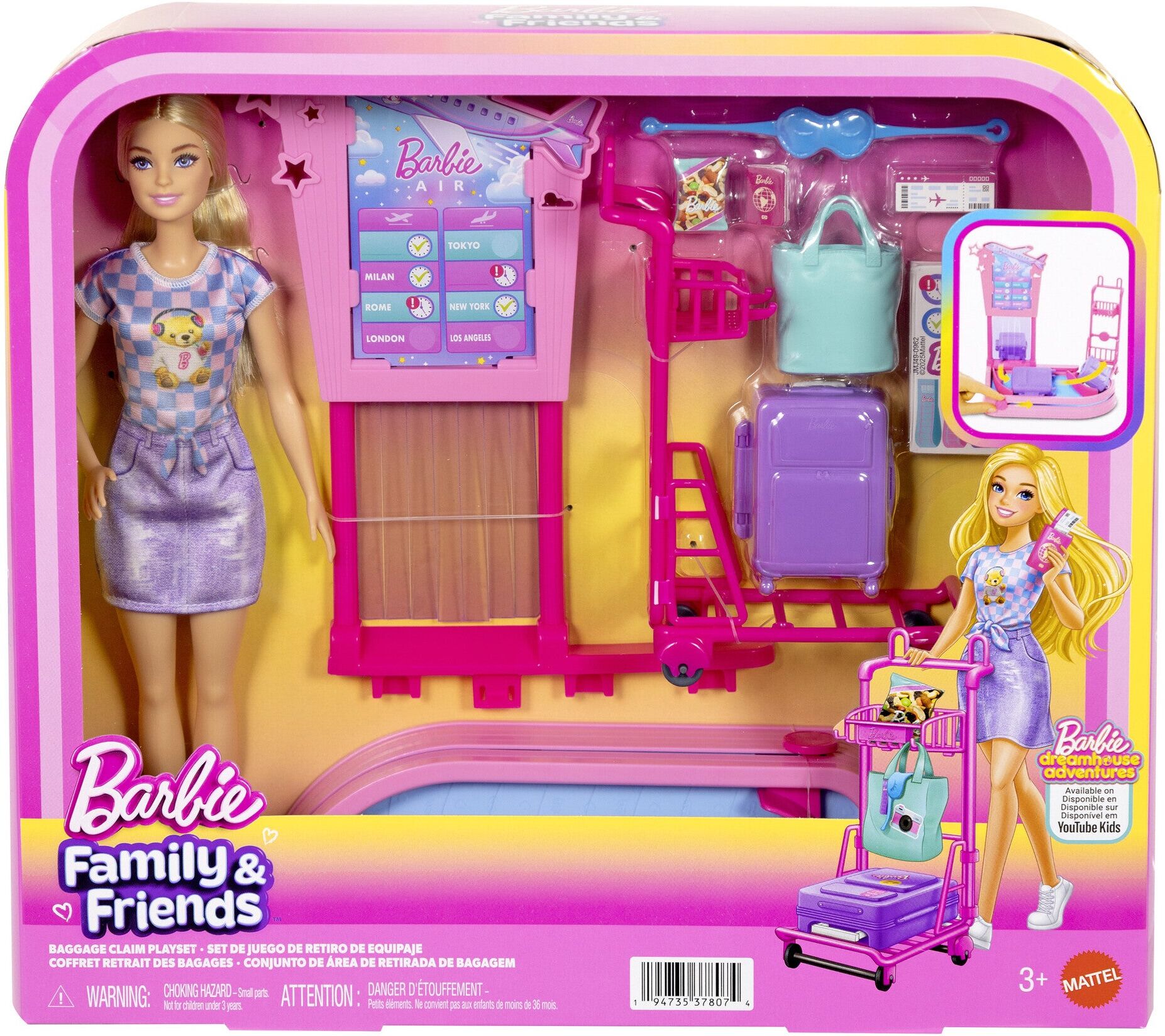
Barbie Malibu Limitless Adventure Baggage Claim Playset - Includes Interactive Baggage Carousel - MattelImmerse your child in the world of travel and adventure with the Barbie Malibu Limitless Adventure Baggage Claim Playset. This exciting playset from Mattel lets kids imagine arriving at the airport, collecting luggage, and setting off to explore the world. The playset features a moving baggage carousel, where you can slide the conveyor-belt knob back and forth to send Barbie's suitcase around the baggage claim area. Load it onto the rolling luggage trolley for a fun and interactive experience. The bright travel-themed design includes a destination board and plenty of storytelling details for imaginative airport play. Barbie Malibu comes dressed in a colorful casual outfit and is accompanied by a suitcase, carry-on purse, and travel accessories. Her passport and boarding pass fit inside the tote, while the snack bag and sleep mask add extra details to holiday and travel role play. A sticker sheet is also included for added creative fun. This playset includes Barbie Malibu doll with travel outfit and an interactive baggage carousel conveyor belt that moves luggage around.24,64 £*Shipping: 3,95 £Secure redirect to the provider
-
No Letter/Legal File Tote BoxPlastic Storage Bin Tote Organizing File Box with Durable and Secure Latching Lid is a perfect filing storage organizer that can fit all your legal and letter size items safely with the anti-break, durable polypropylene material.109,18 $*Shipping: 0,00 $Secure redirect to the provider
-
Matagot SARL Bahamut Dispute Compact 16-Card Wizard Duel Game - Multi - NewEnter a tense two-player wizard duel in Bahamut Dispute, a compact card game that requires timing, tactics, and magical counters. Each player aims to summon Baleful Bahamut, the legendary dragon, whose arrival sets up an immediate path to victory on the following turn. Players draw from a small deck of spells and actions, then play up to two cards during their turn. Effects may recover cards from the discard pile, increase the number of cards that can be played, or introduce creatures like the goblin. However, every powerful play can be countered by a Necro-nope, which nullifies a card and sends it to the discard pile. Success depends on managing these limited counters and combining effects at the right moment. Players must pressure their opponent into wasting their answers, protect their own plans, and choose carefully when to attempt the final summoning.11,97 £*Shipping: 3,95 £Secure redirect to the provider
-
How do you transform an object clause or a subject clause into a dependent clause (subordinate clause)?
To transform an object clause or a subject clause into a dependent clause, you can add a subordinating conjunction at the beginning of the clause. For example, changing "I know that he is coming" (object clause) to "I know when he is coming" (dependent clause). Another way is to remove the subject or object pronoun and change the verb form to make it dependent on the main clause. For instance, changing "She believes she can win" (subject clause) to "She believes she can win" (dependent clause). **
-
Is an infinitive clause a subordinate clause?
Yes, an infinitive clause is a type of subordinate clause. It functions as a single unit within a sentence and is dependent on the main clause for its meaning. Infinitive clauses typically begin with the word "to" followed by a verb, and they can serve various purposes such as expressing purpose, result, or obligation. **
-
What are main clause-subordinate clause constructions?
Main clause-subordinate clause constructions are sentences that consist of a main clause and one or more subordinate clauses. The main clause is a complete sentence that can stand alone, while the subordinate clause depends on the main clause for its meaning and cannot stand alone. Subordinate clauses often begin with subordinating conjunctions such as "because," "although," "if," or "when," and they provide additional information or context to the main clause. These constructions allow for more complex and nuanced sentence structures, and they are commonly used in both spoken and written language. **
-
Could you please formulate the legal clause like?
The legal clause should be formulated clearly and concisely, using precise language to outline the rights and responsibilities of each party involved. It should include specific terms and conditions, as well as any potential consequences for non-compliance. The clause should also be written in a way that is easily understandable for all parties involved, and should be in compliance with relevant laws and regulations. Additionally, it should be reviewed by legal professionals to ensure accuracy and enforceability. **
Similar search terms for Clause
-
Georgia Boot Tough Beyond Dispute Chelsea EH WP - Mens 11 Brown Boot Medium*Chelsea boot from Georgia Boot. Wateproof and high-abrasion full-grain Tec-Tuff leather upper. Padded collar and tongue. Elastic gore stretch panels for easy on and off. Mesh lining. Comfort core memory foam insole. Fiberglass shank. Flexible...165,00 $*Shipping: 0,00 $Secure redirect to the provider
-
No Letter/Legal File Tote BoxPlastic Storage Bin Tote Organizing File Box with Durable and Secure Latching Lid is a perfect filing storage organizer that can fit all your legal and letter size items safely with the anti-break, durable polypropylene material.118,82 $*Shipping: 0,00 $Secure redirect to the provider
-
Georgia Boot Tough Beyond Dispute Chelsea EH WP - Mens 11 Brown Boot W*Chelsea boot from Georgia Boot. Wateproof and high-abrasion full-grain Tec-Tuff leather upper. Padded collar and tongue. Elastic gore stretch panels for easy on and off. Mesh lining. Comfort core memory foam insole. Fiberglass shank. Flexible...165,00 $*Shipping: 0,00 $Secure redirect to the provider
-
Georgia Boot Tough Beyond Dispute Chelsea EH WP - Mens 12 Brown Boot Medium*Chelsea boot from Georgia Boot. Wateproof and high-abrasion full-grain Tec-Tuff leather upper. Padded collar and tongue. Elastic gore stretch panels for easy on and off. Mesh lining. Comfort core memory foam insole. Fiberglass shank. Flexible...165,00 $*Shipping: 0,00 $Secure redirect to the provider
-
Can an adverbial clause also be a subject clause or an object clause?
No, an adverbial clause cannot be a subject clause or an object clause. An adverbial clause functions as an adverb to modify a verb, adjective, or adverb in a sentence. Subject clauses and object clauses, on the other hand, serve as the subject or object of the main clause, respectively. Each type of clause has a specific grammatical function within a sentence. **
-
Is the main clause and subordinate clause correct?
To determine if the main clause and subordinate clause are correct, you need to ensure that they are grammatically sound and that they make sense when combined. The main clause should be able to stand alone as a complete sentence, while the subordinate clause provides additional information but cannot stand alone. Checking for subject-verb agreement and proper punctuation between the two clauses can help confirm their correctness. **
-
How do I recognize a relative clause, a conjunctional clause, and an interrogative clause?
A relative clause typically starts with a relative pronoun (such as who, whom, whose, which, or that) and provides more information about a noun in the main clause. A conjunctional clause, on the other hand, is introduced by a conjunction (such as and, but, or because) and connects two independent clauses. An interrogative clause is a type of clause that asks a question and is typically introduced by an interrogative pronoun (such as who, what, when, where, why, or how) or an interrogative adverb (such as how, when, or where). **
-
How can I recognize a relative clause, a conjunctional clause, and an interrogative clause?
A relative clause is a type of dependent clause that typically starts with a relative pronoun (such as who, whom, whose, which, or that) and provides additional information about a noun in the main clause. A conjunctional clause, on the other hand, is a dependent clause that functions as an adverb, adjective, or noun in a sentence and is connected to the main clause by a conjunction (such as because, although, if, when, etc.). An interrogative clause is a type of clause that asks a question and typically begins with a question word (such as who, what, where, when, why, or how) or with a helping verb followed by the subject. **
* All prices are inclusive of VAT and, if applicable, plus shipping costs. The offer information is based on the details provided by the respective shop and is updated through automated processes. Real-time updates do not occur, so deviations can occur in individual cases. ** Note: Parts of this content were created by AI.