Buy klage.eu ?
We are moving the project
klage.eu .
Are you interested in purchasing the domain
klage.eu ?
domain@kv-gmbh.de · 0541-91531010
Buy klage.eu ?
Narrator or omniscient narrator?
In the context of storytelling, the choice between a narrator or an omniscient narrator depends on the desired level of perspective and insight into the characters and events. A narrator typically provides a more personal and limited viewpoint, often sharing the story from their own perspective or a specific character's point of view. On the other hand, an omniscient narrator has a broader scope, knowing and revealing information beyond what any single character could know, offering a more objective and all-encompassing view of the story. Ultimately, the decision between a narrator or an omniscient narrator can greatly impact the storytelling style and the reader's experience of the narrative. **
Is a personal narrator the same as a he/she narrator?
A personal narrator and a he/she narrator are not necessarily the same. A personal narrator refers to a narrator who is directly involved in the story or is a character within the narrative. On the other hand, a he/she narrator is a third-person narrator who is not a character in the story but refers to the characters using "he" or "she." While a personal narrator can also be a he/she narrator, they are not always interchangeable as they serve different narrative functions. **

Similar search terms for Narrator
Top-Angebote
Products related to Narrator:
-
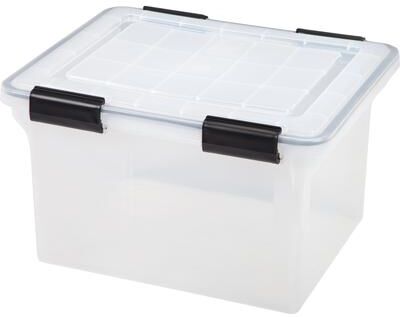
No Letter/Legal File Tote BoxPlastic Storage Bin Tote Organizing File Box with Durable and Secure Latching Lid is a perfect filing storage organizer that can fit all your legal and letter size items safely with the anti-break, durable polypropylene material.109,18 $*Shipping: 0,00 $Secure redirect to the provider
-
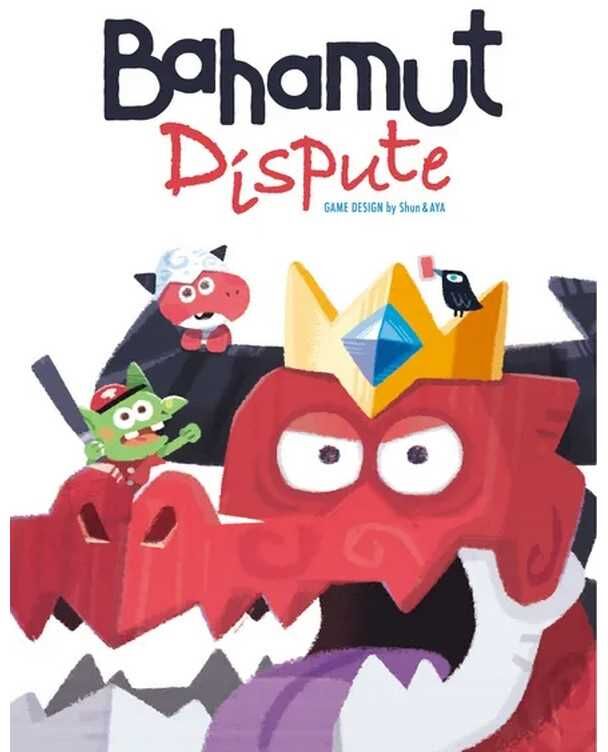
Matagot SARL Bahamut Dispute Compact 16-Card Wizard Duel Game - Multi - NewEnter a tense two-player wizard duel in Bahamut Dispute, a compact card game that requires timing, tactics, and magical counters. Each player aims to summon Baleful Bahamut, the legendary dragon, whose arrival sets up an immediate path to victory on the following turn. Players draw from a small deck of spells and actions, then play up to two cards during their turn. Effects may recover cards from the discard pile, increase the number of cards that can be played, or introduce creatures like the goblin. However, every powerful play can be countered by a Necro-nope, which nullifies a card and sends it to the discard pile. Success depends on managing these limited counters and combining effects at the right moment. Players must pressure their opponent into wasting their answers, protect their own plans, and choose carefully when to attempt the final summoning.11,97 £*Shipping: 3,95 £Secure redirect to the provider
-
Hirsh 2-drawer Legal-size Commercial Vertical File CabinetBolster the functionality of your home office with this rugged vertical file cabinet. The removable core lock keeps important documents safe and secure, while two deep drawers help keep your legal-size documents and folders organized.275,49 $*Shipping: 0,00 $Secure redirect to the provider


-
What is a fictional narrator?
A fictional narrator is a character within a work of fiction who tells the story to the reader. This character may be a participant in the events of the story, or they may be an observer recounting the events from a distance. The fictional narrator's perspective and voice shape the reader's understanding of the story, and their reliability or unreliability can add complexity to the narrative. The choice of narrator can greatly influence the reader's experience of the story. **
-
What is the difference between a first-person narrator and a third-person limited narrator?
A first-person narrator is a character within the story who tells the events from their own perspective using "I" or "we." This type of narrator is limited to their own thoughts, feelings, and experiences. On the other hand, a third-person limited narrator is an external voice that focuses on the thoughts and feelings of one character, but uses pronouns like "he," "she," or the character's name. This type of narrator provides insight into one character's perspective while still maintaining some distance from the story. **
-
What is the difference between a first-person narrator and a limited first-person narrator?
A first-person narrator is a character in the story who tells the events from their own perspective using "I" and "me." A limited first-person narrator is a type of first-person narrator who has a limited view of the events in the story, only knowing and sharing what they personally experience or witness. This means that the limited first-person narrator may not have access to all the information or perspectives in the story, leading to a more subjective and potentially biased account of events. **
-
Is the narrator a literary self?
The narrator in a literary work may or may not be a literary self. A literary self is a character or persona that closely resembles the author and may share similar experiences, thoughts, or beliefs. In some cases, the narrator may indeed be a literary self, serving as a vehicle for the author to express their own perspectives and experiences. However, in other cases, the narrator may be a completely fictional creation, with no direct connection to the author's own identity. It ultimately depends on the specific work and the intentions of the author. **


Do you have this inner narrator?
As an AI language model, I do not have an inner narrator in the same way that humans do. I do not have personal experiences, emotions, or a sense of self, so I do not have an inner voice or narrator to reflect on my thoughts and experiences. My responses are generated based on patterns in the data I have been trained on, rather than any personal inner monologue. **
What is the difference between a commenting narrator and a judgmental narrator? Do you have any examples?
A commenting narrator provides observations or insights about the characters or events in a story without passing explicit judgment, while a judgmental narrator expresses clear opinions or evaluations about the characters or events. An example of a commenting narrator can be found in J.D. Salinger's "The Catcher in the Rye," where the protagonist, Holden Caulfield, shares his thoughts and feelings about the people he encounters without explicitly condemning them. In contrast, a judgmental narrator can be seen in Jane Austen's "Pride and Prejudice," where the narrator offers critical commentary on the characters' actions and personalities, such as Mr. Collins' obsequious behavior. **
Top-Angebote
Products related to Narrator:
-
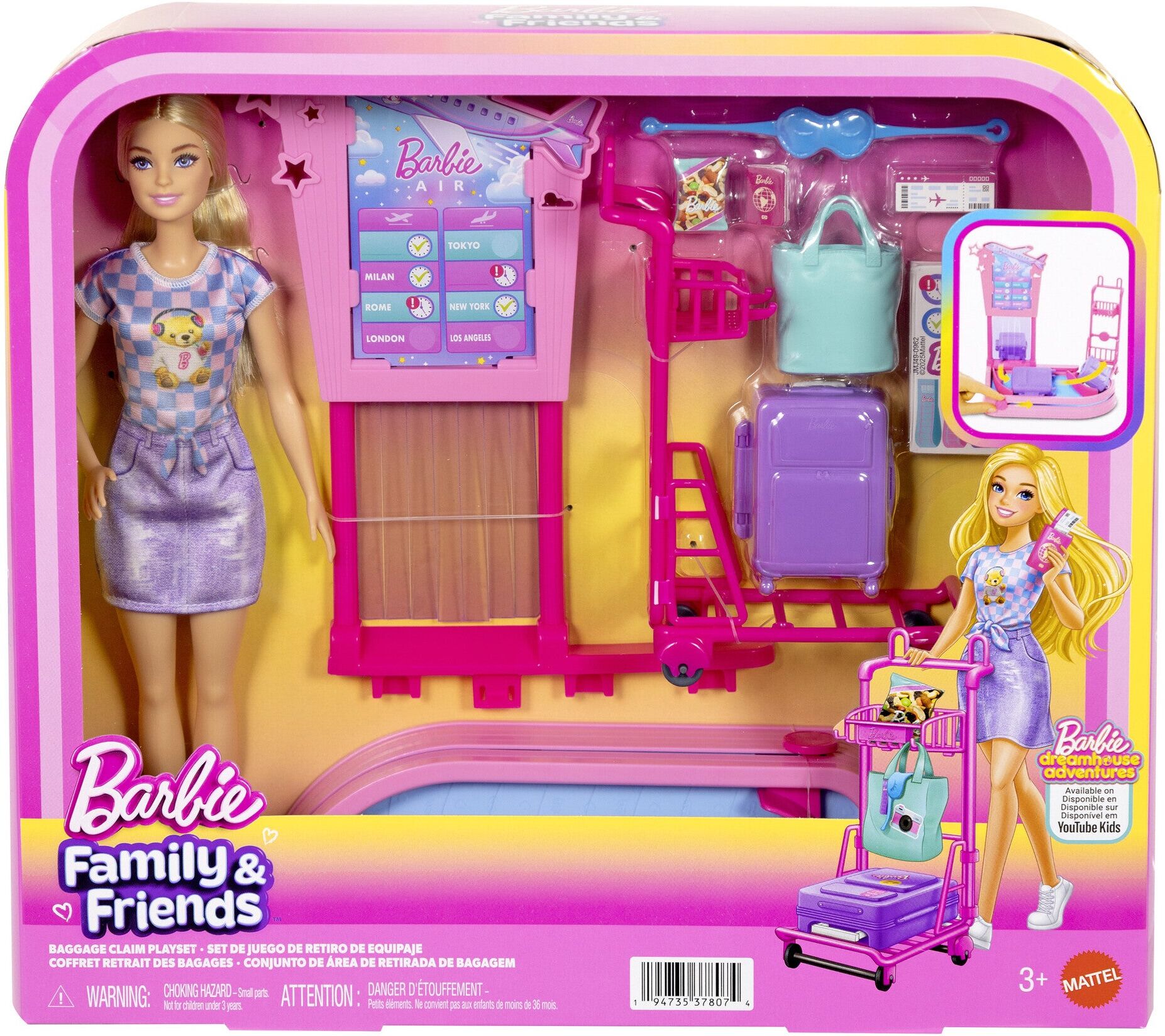
Barbie Malibu Limitless Adventure Baggage Claim Playset - Includes Interactive Baggage Carousel - MattelImmerse your child in the world of travel and adventure with the Barbie Malibu Limitless Adventure Baggage Claim Playset. This exciting playset from Mattel lets kids imagine arriving at the airport, collecting luggage, and setting off to explore the world. The playset features a moving baggage carousel, where you can slide the conveyor-belt knob back and forth to send Barbie's suitcase around the baggage claim area. Load it onto the rolling luggage trolley for a fun and interactive experience. The bright travel-themed design includes a destination board and plenty of storytelling details for imaginative airport play. Barbie Malibu comes dressed in a colorful casual outfit and is accompanied by a suitcase, carry-on purse, and travel accessories. Her passport and boarding pass fit inside the tote, while the snack bag and sleep mask add extra details to holiday and travel role play. A sticker sheet is also included for added creative fun. This playset includes Barbie Malibu doll with travel outfit and an interactive baggage carousel conveyor belt that moves luggage around.25,70 £*Shipping: 3,95 £Secure redirect to the provider
-
"""Angela Vineyards""" """Angela Vineyards Abbott Claim Pinot Noir 2015 Red Wine - Oregon""""""The Abbott Claim Pinot Noir has silky tannins, flavors of ripe red currant and raspberry, cherry cola, sassafrass. Rich mushroom and white truffle aromas and an overlay of sassafrass and sweet cedar or pipe tobacco."""59,99 $*Shipping: 0,00 $Secure redirect to the provider
-
No Letter/Legal File Tote BoxPlastic Storage Bin Tote Organizing File Box with Durable and Secure Latching Lid is a perfect filing storage organizer that can fit all your legal and letter size items safely with the anti-break, durable polypropylene material.109,18 $*Shipping: 0,00 $Secure redirect to the provider
-
Matagot SARL Bahamut Dispute Compact 16-Card Wizard Duel Game - Multi - NewEnter a tense two-player wizard duel in Bahamut Dispute, a compact card game that requires timing, tactics, and magical counters. Each player aims to summon Baleful Bahamut, the legendary dragon, whose arrival sets up an immediate path to victory on the following turn. Players draw from a small deck of spells and actions, then play up to two cards during their turn. Effects may recover cards from the discard pile, increase the number of cards that can be played, or introduce creatures like the goblin. However, every powerful play can be countered by a Necro-nope, which nullifies a card and sends it to the discard pile. Success depends on managing these limited counters and combining effects at the right moment. Players must pressure their opponent into wasting their answers, protect their own plans, and choose carefully when to attempt the final summoning.11,97 £*Shipping: 3,95 £Secure redirect to the provider
-
Narrator or omniscient narrator?
In the context of storytelling, the choice between a narrator or an omniscient narrator depends on the desired level of perspective and insight into the characters and events. A narrator typically provides a more personal and limited viewpoint, often sharing the story from their own perspective or a specific character's point of view. On the other hand, an omniscient narrator has a broader scope, knowing and revealing information beyond what any single character could know, offering a more objective and all-encompassing view of the story. Ultimately, the decision between a narrator or an omniscient narrator can greatly impact the storytelling style and the reader's experience of the narrative. **
-
Is a personal narrator the same as a he/she narrator?
A personal narrator and a he/she narrator are not necessarily the same. A personal narrator refers to a narrator who is directly involved in the story or is a character within the narrative. On the other hand, a he/she narrator is a third-person narrator who is not a character in the story but refers to the characters using "he" or "she." While a personal narrator can also be a he/she narrator, they are not always interchangeable as they serve different narrative functions. **
-
What is a fictional narrator?
A fictional narrator is a character within a work of fiction who tells the story to the reader. This character may be a participant in the events of the story, or they may be an observer recounting the events from a distance. The fictional narrator's perspective and voice shape the reader's understanding of the story, and their reliability or unreliability can add complexity to the narrative. The choice of narrator can greatly influence the reader's experience of the story. **
-
What is the difference between a first-person narrator and a third-person limited narrator?
A first-person narrator is a character within the story who tells the events from their own perspective using "I" or "we." This type of narrator is limited to their own thoughts, feelings, and experiences. On the other hand, a third-person limited narrator is an external voice that focuses on the thoughts and feelings of one character, but uses pronouns like "he," "she," or the character's name. This type of narrator provides insight into one character's perspective while still maintaining some distance from the story. **
Similar search terms for Narrator
-
Hirsh 2-drawer Legal-size Commercial Vertical File CabinetBolster the functionality of your home office with this rugged vertical file cabinet. The removable core lock keeps important documents safe and secure, while two deep drawers help keep your legal-size documents and folders organized.275,49 $*Shipping: 0,00 $Secure redirect to the provider
-
Georgia Boot Tough Beyond Dispute Chelsea EH WP - Mens 14 Brown Boot Medium*Chelsea boot from Georgia Boot. Wateproof and high-abrasion full-grain Tec-Tuff leather upper. Padded collar and tongue. Elastic gore stretch panels for easy on and off. Mesh lining. Comfort core memory foam insole. Fiberglass shank. Flexible...165,00 $*Shipping: 0,00 $Secure redirect to the provider
-
No Letter/Legal File Tote BoxPlastic Storage Bin Tote Organizing File Box with Durable and Secure Latching Lid is a perfect filing storage organizer that can fit all your legal and letter size items safely with the anti-break, durable polypropylene material.117,96 $*Shipping: 0,00 $Secure redirect to the provider
-
What is the difference between a first-person narrator and a limited first-person narrator?
A first-person narrator is a character in the story who tells the events from their own perspective using "I" and "me." A limited first-person narrator is a type of first-person narrator who has a limited view of the events in the story, only knowing and sharing what they personally experience or witness. This means that the limited first-person narrator may not have access to all the information or perspectives in the story, leading to a more subjective and potentially biased account of events. **
-
Is the narrator a literary self?
The narrator in a literary work may or may not be a literary self. A literary self is a character or persona that closely resembles the author and may share similar experiences, thoughts, or beliefs. In some cases, the narrator may indeed be a literary self, serving as a vehicle for the author to express their own perspectives and experiences. However, in other cases, the narrator may be a completely fictional creation, with no direct connection to the author's own identity. It ultimately depends on the specific work and the intentions of the author. **
-
Do you have this inner narrator?
As an AI language model, I do not have an inner narrator in the same way that humans do. I do not have personal experiences, emotions, or a sense of self, so I do not have an inner voice or narrator to reflect on my thoughts and experiences. My responses are generated based on patterns in the data I have been trained on, rather than any personal inner monologue. **
-
What is the difference between a commenting narrator and a judgmental narrator? Do you have any examples?
A commenting narrator provides observations or insights about the characters or events in a story without passing explicit judgment, while a judgmental narrator expresses clear opinions or evaluations about the characters or events. An example of a commenting narrator can be found in J.D. Salinger's "The Catcher in the Rye," where the protagonist, Holden Caulfield, shares his thoughts and feelings about the people he encounters without explicitly condemning them. In contrast, a judgmental narrator can be seen in Jane Austen's "Pride and Prejudice," where the narrator offers critical commentary on the characters' actions and personalities, such as Mr. Collins' obsequious behavior. **
* All prices are inclusive of VAT and, if applicable, plus shipping costs. The offer information is based on the details provided by the respective shop and is updated through automated processes. Real-time updates do not occur, so deviations can occur in individual cases. ** Note: Parts of this content were created by AI.